
Spartan Regiment American Revolution
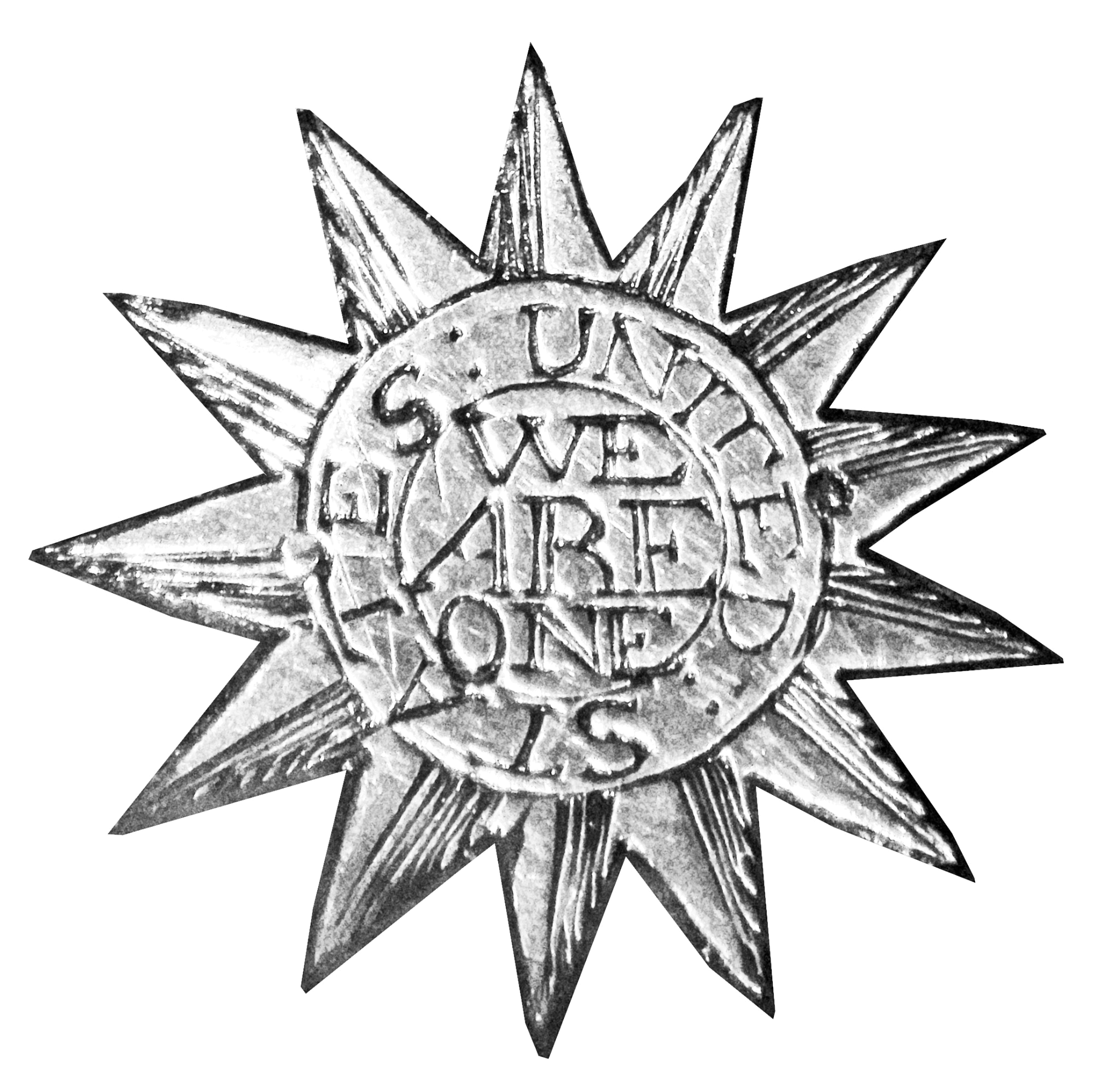
In 1778, around the midpoint of the American Revolutionary War, the British shifted their focus to the southern colonies known as the Southern Campaign. In South Carolina the Spartan Regiment was a key player in the American Revolutionary War engaging in many important battles. Spartanburg County was named after the Spartan Regiment whose brave men and women were instrumental in the fight for independence. On Col John Thomas’ flintlock stock, the commander of Spartan Regiment, was a silver 13-point star representing the 13 colonies, inscribed with:
“United States We Are One”
These five words demonstrated commitment and indomitable spirit to our newly formed country.
Spartanburg County in the American Revolution
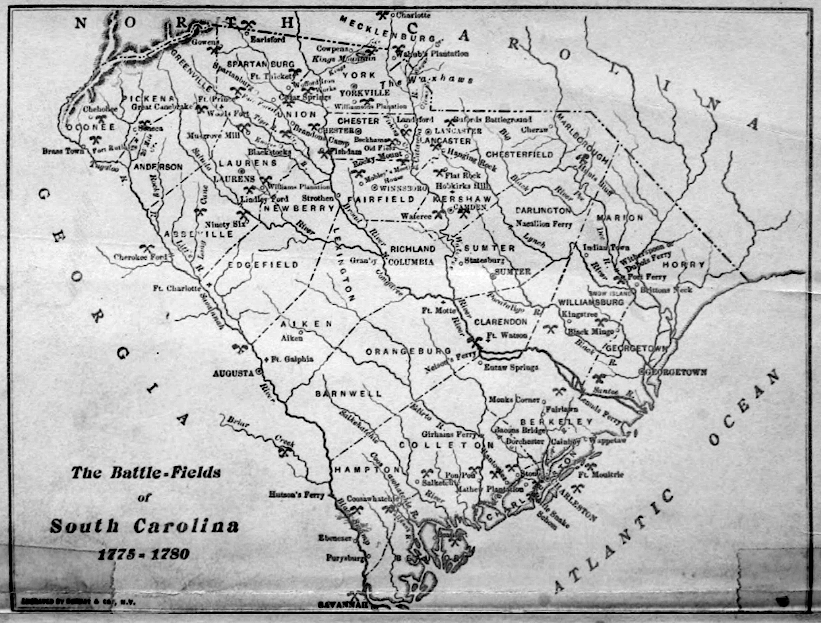
Spartanburg County played a decisive role in the Southern Campaign of the American Revolution. At a time when the fight for independence reached the backcountry of South Carolina, local citizens banded together to defend their homes, their families, and the ideals of freedom.
Major Battles & Local Engagements
The Upstate served as a crucial theater for skirmishes and pivotal battles. Spartanburg-area patriots fought in:
July 12,1780 - First Battle of Cedar Springs. Spartanburg
July 12, 1780 - Brattonville (York Co) and Huckster Defeat
July 13, 1780 - Gowen Fort Landrum
July 15, 1780 - Earles Ford. Landrum
July 17,1780 - Fort Prince. Landrum
July 26,1780 - Thickets Fort. Cherokee Co
August 8,1780 - Wofford Iron Works/ 2nd Battle of Cedar Spring
August 18,1780 - Musgrove Mill. Laurens Co
October 7,1780 - Battle of Kings Mtn. York Co
November 20,1780 - Battle of the Blackstocks. Union Co
January 17,1781 - Battle of Kings Mtn. Cherokee Co
November 1781 - Moores Plantation/ Walnut Grove
Each of these clashes played a vital part in disrupting British strategy and empowering the Patriot cause.
Legacy & Local Impact
The Revolutionary War shaped Spartanburg County’s early identity—building a legacy of resilience, courage, and community.
Today, that legacy lives on in our landmarks, our stories, and the people working to preserve a chapter of American history that began right here at home.